

THE HIRING PROCESS: HOW WOULD IT BE LIKE?
The hiring process is one of the least talked about things when doing internships and can sometimes feel scary to start. If you feel this way, here is a guide that will help you.
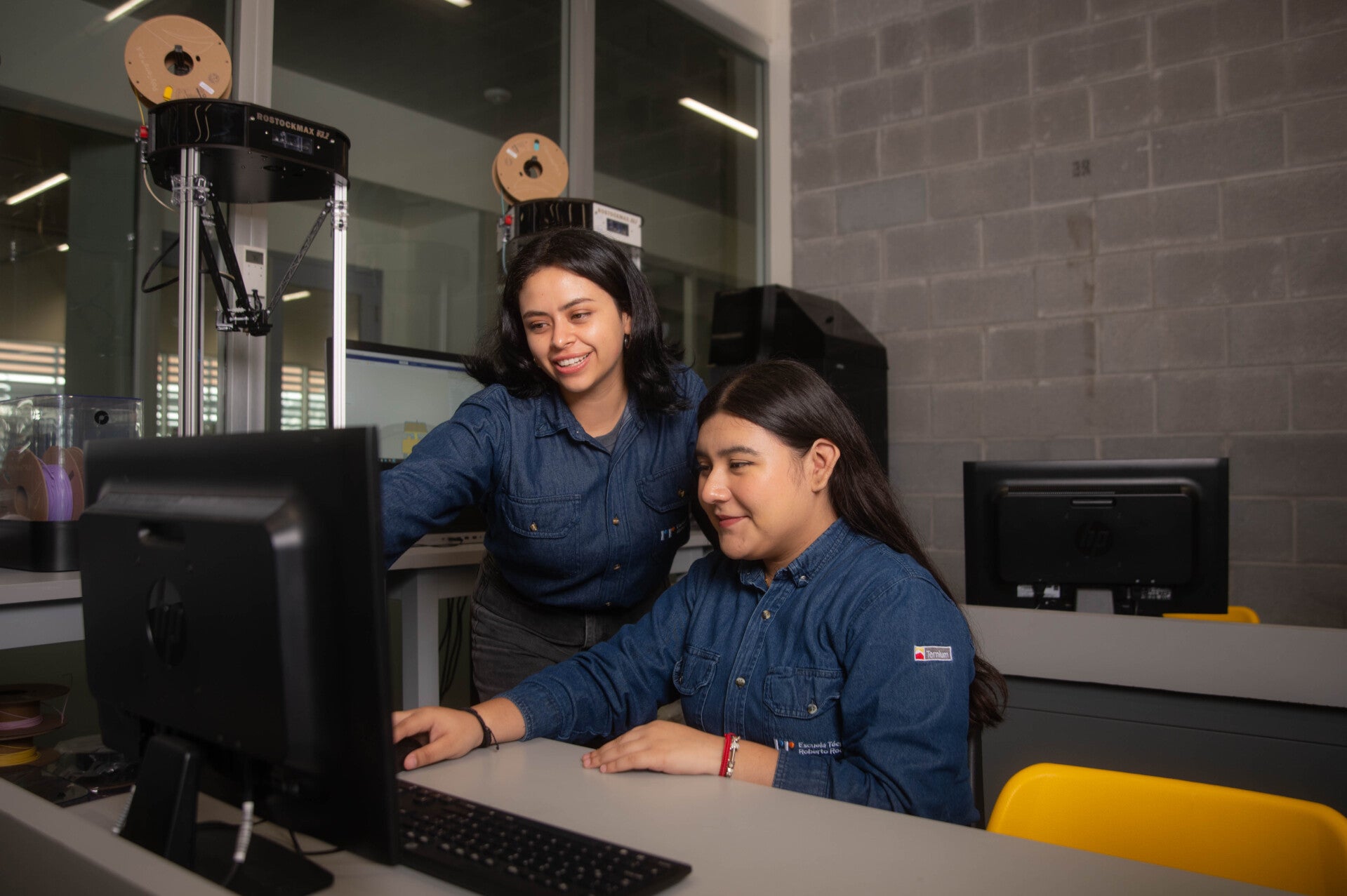
Look for companies that stick to what you need.
It’s important to define your expectations before applying. You should consider:
- Work hours (schedule and availability)
- Salary (or compensation / support)
- Location (distance or remote options)
- Benefits (extra support like training, meals, transport, etc.)

Prepare your resume
Creating your resume (curriculum vitae) is a crucial step in the job application process, as it serves as your primary introduction, helps you highlight your strengths and weaknesses, and acts as the first filter in the selection process. Its main purpose is to showcase your experience, skills, and achievements to demonstrate that you are the ideal candidate, thereby increasing your chances of securing an interview.
Why it is important:
- It is your first introduction to a company
- It helps you highlight your strengths and weaknesses
- It acts as the first filter in the selection process
Main purpose:
- Showcase your experience, skills, and achievements
- Demonstrate that you are the ideal candidate
- Increase your chances of getting an interview

Wait for the result of the review of your profile
Usually, at this point, the Human Resources department or the company's technical area will review:
- Your CV
- Your skills
- Your career
What you should do:
- Keep an eye on your contact methods (email, phone or messages)
- Stay alert for updates
- Get ready for the next steps (interview or further selection)
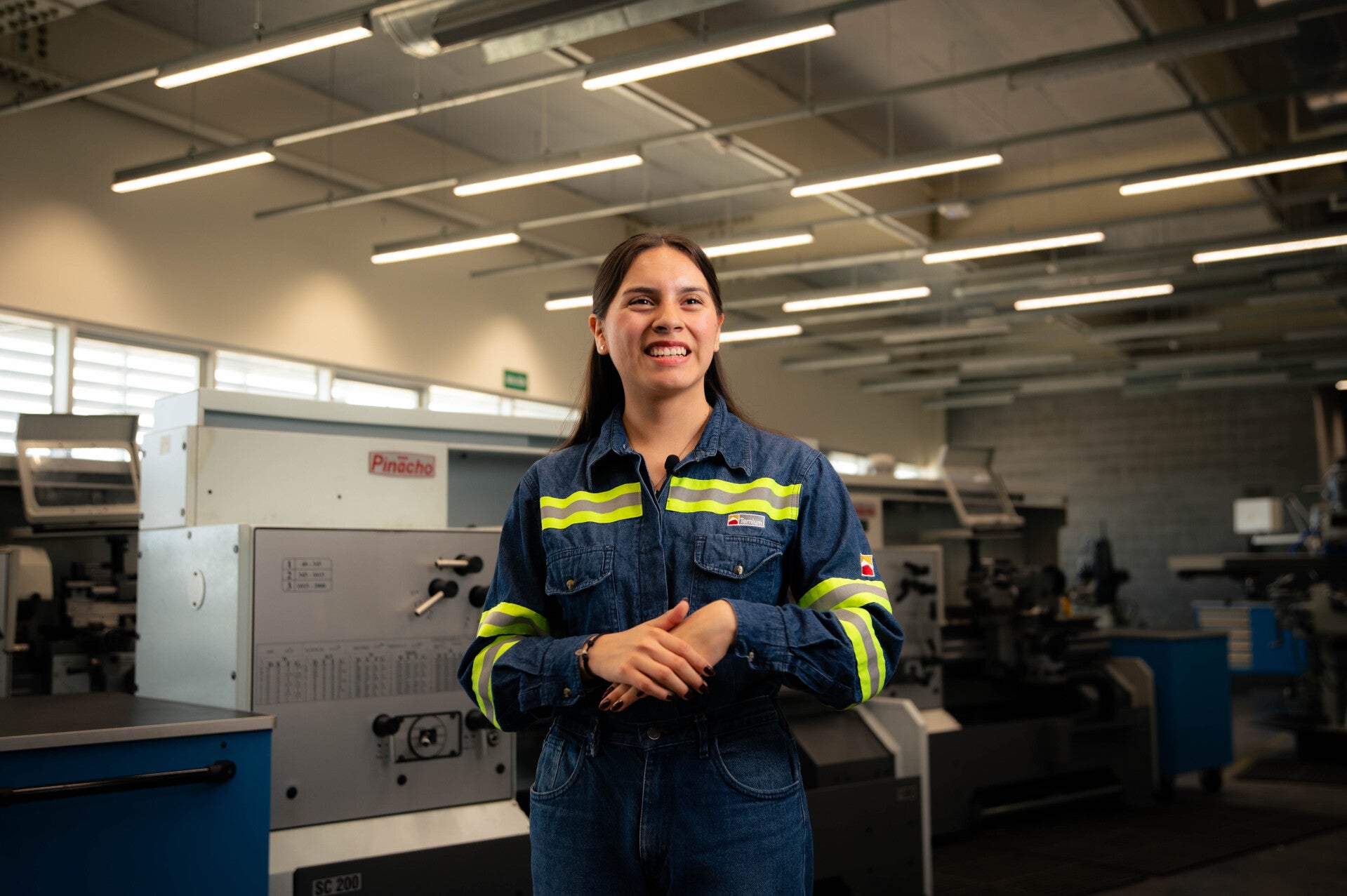
Get ready for an interview
This is the most important part of the process. During this journey the interview will ask you some questions about you, your technical experience or and another aspects.
Examples of questions:
- “Tell me about you ”
- “Why are you intrested on working with us?”
- “What do you do in your free time?”
- “Describe yourself when working in a team”
- "Tell about your technical experience"
Here they will evaluate:
- Attitude
- Responsibility
- Communication

Technical tests (only in some cases)
Not all companies ask you to do this test, but if they do it can be something like:
Some examples:
- Program something simple (sensor control, basic logic)
- Solve physics or logic problems
- Design a part in CAD
- Simulate a system
- A technical knowledge exam
What they evaluate: - How you structure your solution
- If you know the basics of tools
- How you handle pressure
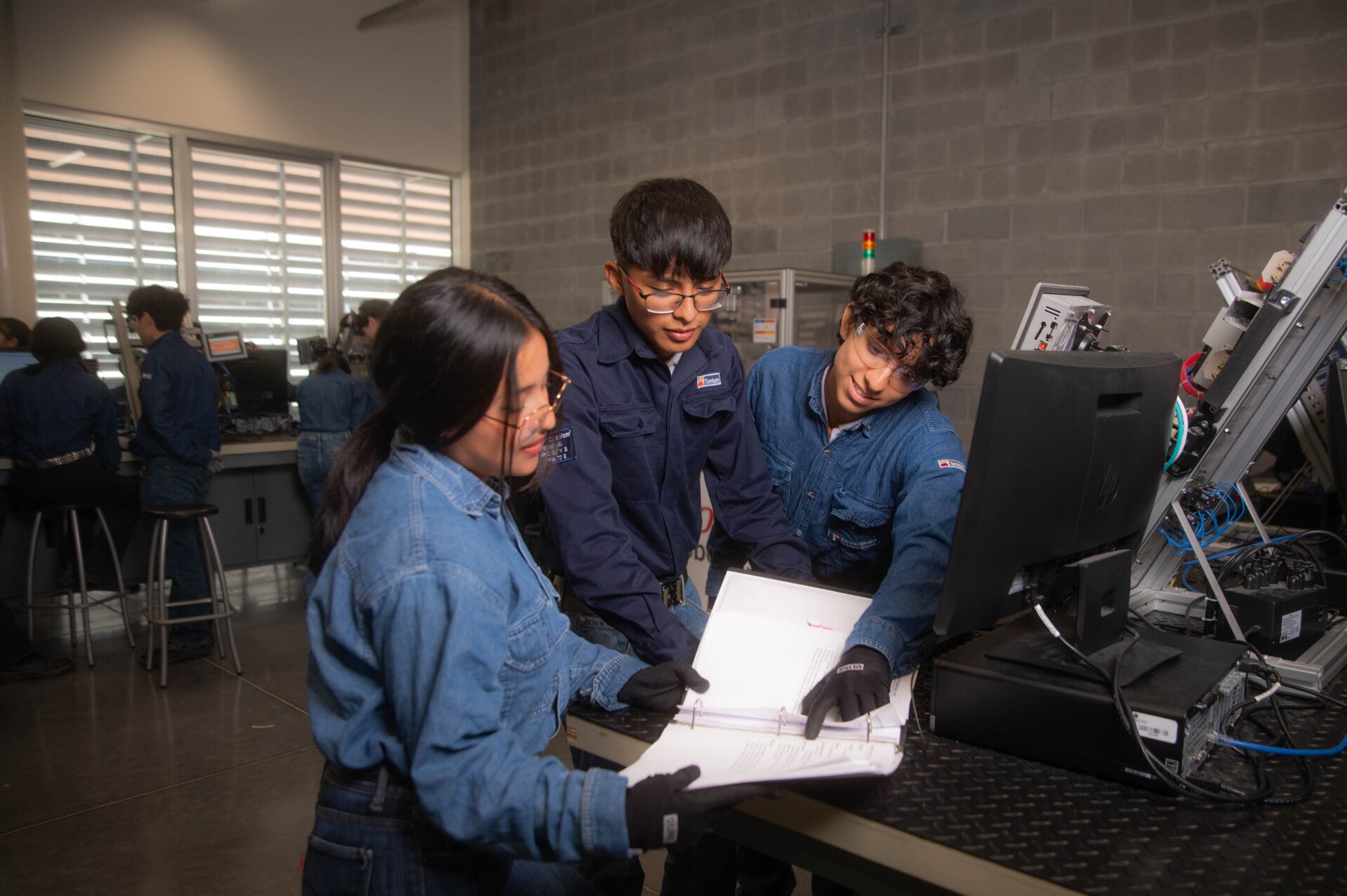
Intership offer
If they choose you:
They'll send you
- Acceptance letter or email
- Duration (e.g., 3, 6 months)
- Schedule
- Area where you will be
- If there is financial support
Here you decide - You accept
- Or reject if it does not suit you
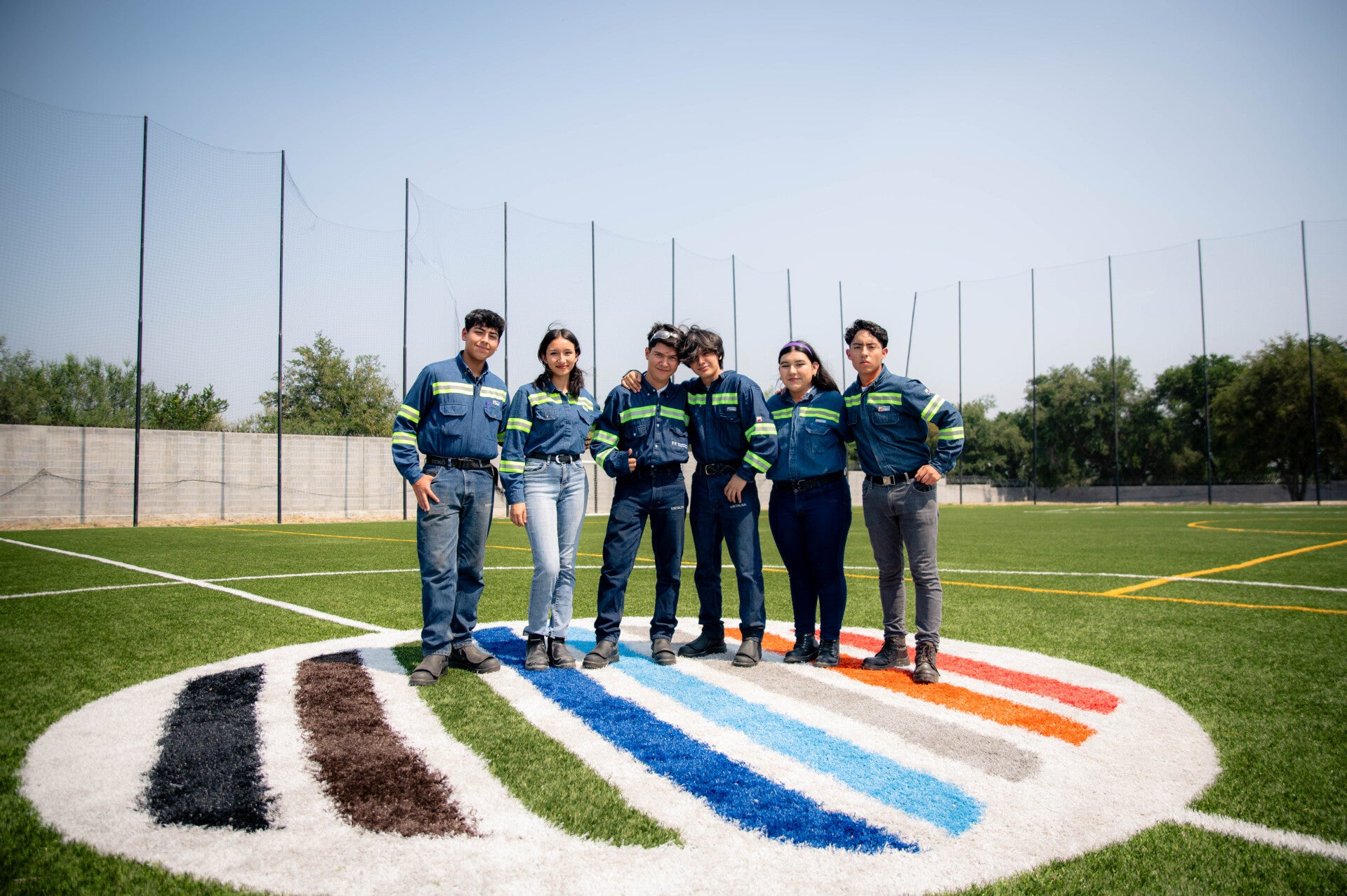
Onboarding
Congratulations! you are already on the company.
What happens in the first days:
- They explain company rules to you
- They assign you a mentor or supervisor
- They give you tools (software, equipment, access)
- They explain your first project
- The first days are for adaptation
- Do not expect immediate “heavy work”
- You start with small tasks to learn
Crea tu propia página web con Webador